
| Getting your Trinity Audio player ready... |
Hey friend,
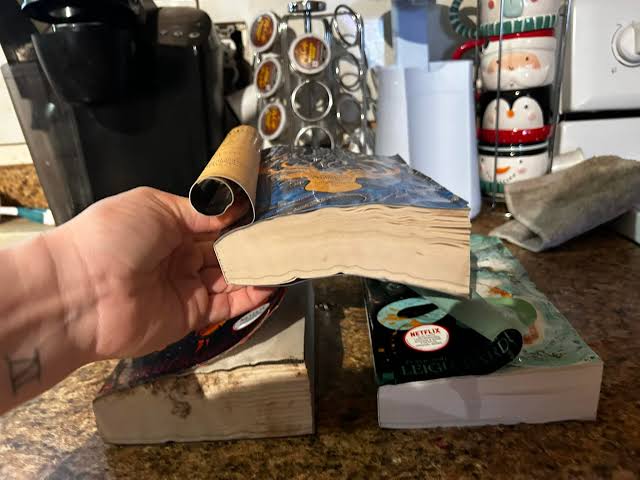
Garages and attics are where Houstonites tend put everything that doesn’t have a spot inside their home. It’s out of the way, there’s often plenty of room, and nobody has to look at it. The trouble is that they’re also the two hardest places in the house on your belongings, and the damage isn’t seen right away. You find out months or even years later, when you open a storage bin and the photos inside are stuck together or the wedding dress smells like a wet basement or has nasty green mold patches.
Here’s what to pull out of these spaces, or never store there in the first place, where it should go instead, and how to store what stays.
Why These Spaces Are So Hard on Stuff
Houston’s humidity stays high for much of the year, and garages and attics don’t have the air conditioning that keeps the rest of your house in check. An attic can run well over 100 degrees in summer, and a garage can end up hotter than the air outside. Heat, moisture, and no airflow are exactly what mold, mildew, pests, and warping thrive on.
The EPA recommends keeping indoor humidity between 30 and 50 percent, and mold tends to take hold when it stays above 60. Most of the year, your garage and attic won’t be anywhere near that range.
Step One: Pull Out What Doesn’t Belong There
To get started, go through what’s out there and sort it by what heat and humidity do to it. Here’s what to move.
Paper and keepsakes. Photos, documents, letters, kids’ artwork, books. Humidity makes photos stick together and curl, and paper goes musty and attracts silverfish. These are the things you can’t replace, so they belong inside, on an interior closet shelf or in a lidded bin under a bed. If you’re not going to look at something again, scan it first.
Fabric and leather. Wedding dresses, quilts, good linens, leather bags and jackets, stuffed animals, sleeping bags. Fabric holds moisture and mildews, and leather grows mold. Make sure everything is completely dry, then keep it in a cotton garment bag or a breathable bin in a closet. Skip the plastic dry-cleaner bag for long-term storage, since it traps moisture against the fabric.
Electronics and batteries. Old computers, TVs, game consoles, and loose batteries. Moisture corrodes the connections, and heat can make batteries swell or leak. If you’re keeping them, they come inside. If you haven’t plugged something in for years, this is the moment to recycle it.
Things that melt, warp, or spoil. Candles, crayons, cosmetics, vitamins, medications, and canned food all take a beating from heat. So do wooden furniture, instruments, vinyl records, and framed art, which swell, warp, and crack as humidity and temperature swing. These go in a conditioned room, ideally against an interior wall.
Holiday decor. This one matters most right now. Fabric stockings, paper garlands, and ornaments with paint or glitter tend to come out of the attic mildewed or sticky. Keep the delicate and fabric pieces in an interior closet and leave only the sturdy things up there. And as you unpack this season, notice what the attic did to what you’re pulling out. It’s the clearest preview you’ll get of what’s happening to everything else.
Step Two: Edit Before You Move It Inside
Indoor space is limited, so don’t just relocate everything. Ask one question about each item: if this were ruined, would I mind?
If the answer is no, or you’ve forgotten what’s in the box, that’s a donate-or-let-go pile, not something to give prime indoor closet or shelf space. What survives that edit earns its spot inside the house.
Step Three: Store What Stays the Right Way
Plenty of things can stay in the garage or attic: tools, lawn equipment, sports gear, camping gear, luggage, and most plastic items. To give them the best chance:
Use lidded plastic bins, not cardboard. Cardboard soaks up moisture, attracts pests, and collapses. Keep everything off the floor and away from exterior walls, because Houston garages flood and walls hold the most moisture. My garage organization post covers shelving and elevation in more detail.
Leave room for air to move instead of packing shelves wall to wall. Add moisture absorbers, like silica gel packs or calcium chloride containers, to bins and shelves, and replace them every once in a while. Clean and fully dry everything before it goes in, since dirt and dampness are what mold feeds on. Label each bin with what’s inside and the date you stored it, so you know when it’s due for a check.
One more thing that shouldn’t be out there in the garage is your hurricane prep kit. It belongs somewhere you can grab it in under a minute.
Step Four: Check Twice a Year
Put two checks on the calendar: one before summer, and one after hurricane season ends in late November. Open a few bins, look for stains, warping, or pests, and give them a sniff. A musty smell is your early warning.
If you do find mold, throw out porous items like cardboard, paper, and fabric you can’t launder, and wear a mask and gloves while you handle them. Wipe down anything hard, and let it dry completely before it goes back.
If your garage, attic, or storage closet in Houston has turned into the place things go to be forgotten (and slowly ruined), that’s exactly the kind of project I help clients tackle: deciding what’s worth keeping, finding it a safe home, and setting up storage that holds up in this climate. As a decluttering expert and professional organizer I work with clients in person across the Greater Houston area and virtually from anywhere. Book a session here, call 832-271-7608 to get started even faster, or, if you still have questions, complete the form below. I’ll answer them as quickly and completely as possible.

Working with Taya and her team is easy. You can book an appointment easily on her website, or contact her directly at 832-271-7608
- How to Organize Your Fridge and Freezer Before Thanksgiving - October 23, 2026
- How to Set Up Your Guest Room Before Holiday Guests Arrive - October 19, 2026
- How to Organize Your Hall Closet Before Holiday Guests Arrive - October 16, 2026