
| Getting your Trinity Audio player ready... |
Hey friend,
You go to grab your kid a pair of pants for school, and half the drawer doesn’t fit anymore. It happens fast, and it happens on its own schedule — not yours.
If your kids’ closets are a mix of what fits and what you haven’t dealt with yet, here’s how to reset them properly.
Start by Pulling Everything Out
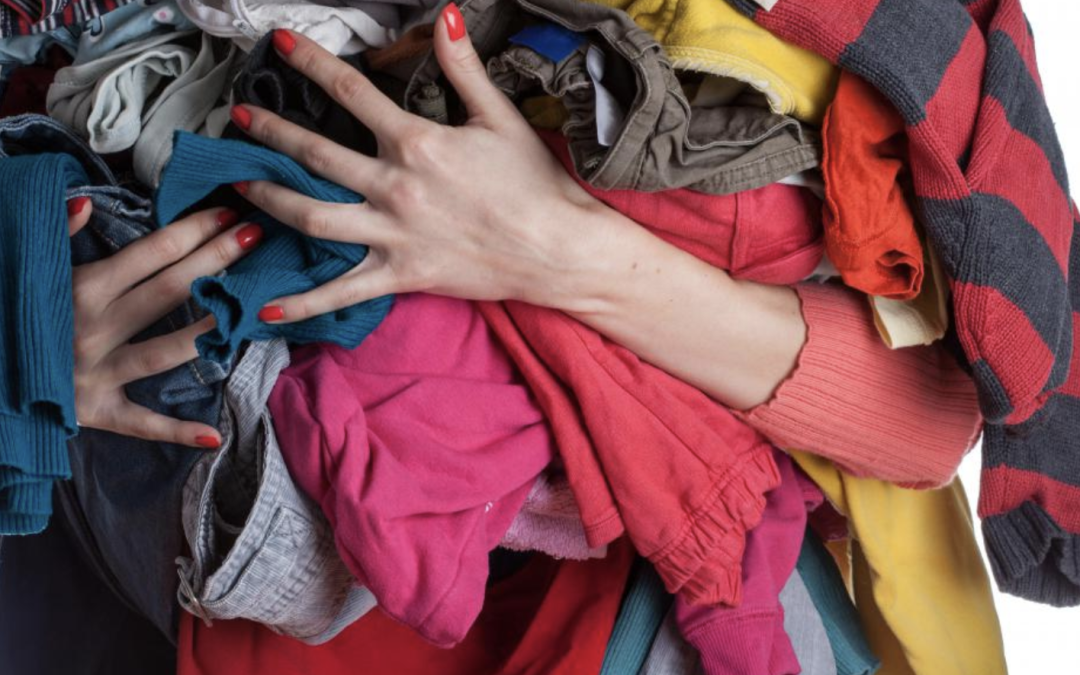
Do one kid at a time. Pull every piece of clothing out of the closet and drawers and lay it somewhere you can see it all at once — the bed works fine.
Don’t sort as you go. Just get it all out first. You can’t make good decisions about a closet when half of it is still hidden behind hangers.
Sort Into Two Piles First: Fits and Doesn’t Fit
Once everything’s out, keep the first sort simple. Two piles: fits now, and doesn’t fit anymore.
Don’t try to decide what happens to the “doesn’t fit” pile yet. Right now you’re only answering one question per item — does this still work on my kid’s body — not what to do about the ones that don’t.
Test Fit in Batches, Not One Piece at a Time
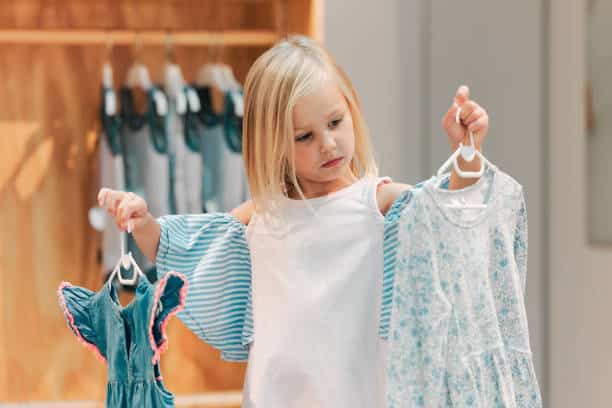
For younger kids, have them try on a stack of “maybe” items back to back instead of stopping to change after every single shirt. It’s faster and it’s a lot less miserable for everyone involved.
For older kids, let them make the call themselves. If they say it’s too small or they don’t like it anymore, believe them. Fighting a ten-year-old over a shirt he’s refused to wear in a month isn’t worth the closet space it’s saving.
Now Split the Doesn’t-Fit Pile in Two
With the “doesn’t fit” pile in front of you, make one more decision for each piece: keep, or let go.
Keep is for anything in good enough shape that it’s genuinely going somewhere — a younger sibling who’ll be that size soon, or a piece nice enough to sell or consign. Let go is everything else: worn out, stained, or nobody left in the house to wear it.
Be honest about “keep.” A bin of clothes for a sibling who’s years away from that size, or one who doesn’t exist yet, isn’t storage. It’s just clutter with a later date on it.
Give the Keep Pile Its Own Bin
The keep pile needs a real home, not a garbage bag shoved in the closet.
Use one labeled bin per size, per child — “Jack, size 8” or “Emma, 6T.” When the next growth spurt hits, you’re pulling one bin, not digging through a mixed bag of everything.
Store Bins Inside the House
This one matters more here than almost anywhere else: don’t store kids’ clothes in the garage or an outdoor shed. Houston humidity is no joke, and cardboard boxes and garages are a fast track to mildew, especially across a long, muggy summer.
Store bins somewhere climate-controlled — a closet shelf, under a bed, a hall closet. Use sealed plastic bins, not cardboard, and make sure everything going into storage is washed first. Body oils and detergent residue attract pests and set in stains over time, even on clothes that looked clean going in.
If a bin is headed to a younger sibling down the line, label it by size and season instead of by whoever wore it first — “Girls, size 7, fall/winter” holds up a lot better over time than a name.
Set Up the Closet So It Stays Organized
A closet only stays organized if the setup matches how your kid gets dressed day to day.
Hang everyday clothes at a height your kid can reach without help. If they can grab their own clothes, they’re a lot more likely to use the closet instead of pulling from a pile on the floor.
Use matching hangers. It sounds small, but mismatched hangers make a closet look chaotic even when it’s technically organized, and matching ones make everything easier to see at a glance.
Set a hanger cap — a fixed number of hangers the closet can hold. When it’s full, something goes out before something new goes in. That one rule does more to keep a kids’ closet under control than any bin or label ever will.
Give the Outgrown Pile an Exit
Your “done” pile isn’t really done until it leaves the house.
Keep a bag or bin inside the closet specifically for outgrown clothes, and set a day it leaves — donation drop-off, a consignment pickup, whatever works for your week. Once a week is plenty. If it sits for a month, it turns into a permanent extra pile, and you already have enough of those.
Keep One Small Box for Sentimental Pieces
Some things are genuinely worth keeping — the coming-home outfit, a first Halloween costume, a shirt with a memory attached. That’s completely fine.
Give it one small, clearly labeled box per child, and hold the size firm. When it’s full, something new in means something old goes through a real decision, not just a rubber stamp. If you’re worried about letting go of a piece, a photo of your kid wearing it can hold the memory just as well as the item itself.
Do a Ten-Minute Size Check Each Season

Set a recurring ten-minute check at the start of each season — new school year, holiday season, spring, summer break. Pull anything that doesn’t fit anymore, bring in whatever’s next from the keep bins, and keep the system from quietly falling behind while you’re not looking.
Ten minutes, four times a year, is a lot easier than the all-day closet excavation you’re doing right now.
If your kids’ closets feel like they need more than a Saturday afternoon can fix, that’s exactly the kind of project I help Houston families tackle. As a decluttering expert and professional organizer I work with clients in person across the Greater Houston area and virtually from anywhere. Book a session here, call 832-271-7608 to get started even faster, or, if you still have questions, complete the form below. I’ll answer them as quickly and completely as possible.

Working with Taya and her team is easy. You can book an appointment easily on her website, or contact her directly at 832-271-7608
- Kids’ Closet Organization: How to Handle Outgrown Clothes - September 28, 2026
- How to Organize a Home When You Live Alone - September 25, 2026
- What’s Your Organizing Personality Type? (Take the Quiz!) - September 23, 2026