
| Getting your Trinity Audio player ready... |
I need to talk to you about your garage. Not about the clutter. Not about the systems. About what’s actually happening to your stuff in there right now while you’re not looking.
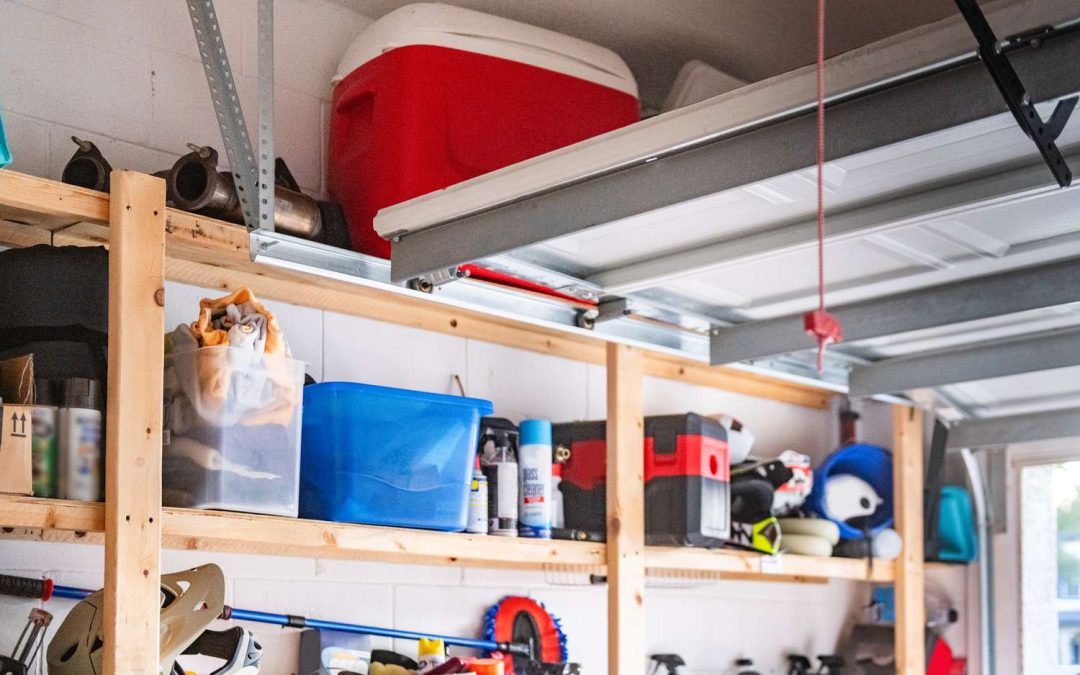
Because here’s something most people in Houston don’t think about: your garage is not a storage unit. It’s not climate-controlled. It’s not sealed. It’s basically an oven from May through October, and a humidity chamber the rest of the year. And everything you’ve been keeping in there is being affected by that. Whether you realize it or not.
I’ve been opening Houston garages for close to 20 years. And I can’t tell you how many times I’ve watched someone pull a box off a shelf, open it up, and discover that whatever was inside has been quietly ruined. Photos stuck together. Electronics corroded. Fabric covered in mildew. Tools rusted beyond use. Holiday decorations warped and discolored.
And every single time, the reaction is the same: “I had no idea.”
So let me walk you through what I see. Because if your garage looks anything like the ones I walk into every week, some of this is happening to you right now.
What Heat Does When Nobody’s Watching
Let’s start with the obvious one. Houston heat.
Your garage can hit 130–140 degrees in the summer. That’s not an exaggeration. An unconditioned, south-facing Houston garage in August is brutal. And that kind of sustained heat does real damage to things people commonly store in garages.
Candles? They melt. I’m not talking about losing their shape a little. I mean fully melted, pooled at the bottom of whatever bin they were in, fused to everything around them. I see this every year. Someone pulls out their holiday candles in December and they’re a solid waxy brick.
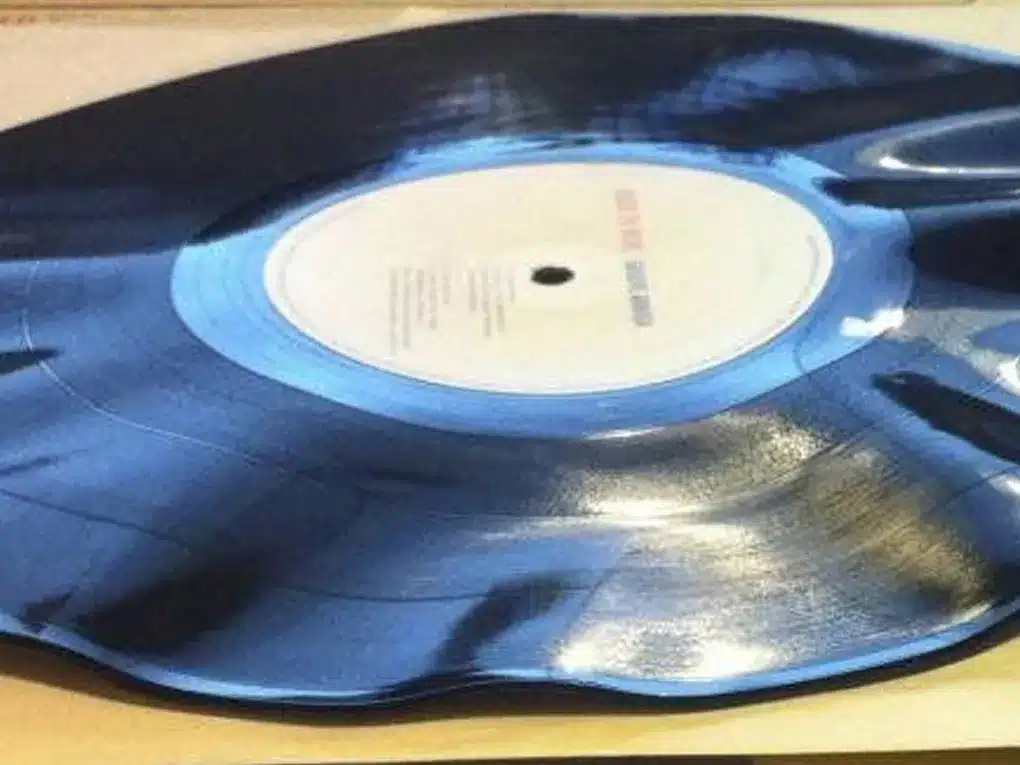
Vinyl records, CDs, DVDs? Warped. Done. If they’ve spent a Houston summer in your garage, they’re probably not playable anymore.
Aerosol cans — spray paint, WD-40, cleaning products — are actually dangerous in that kind of heat. They can pressurize and leak. I’ve opened bins that were sticky with residue from aerosols that expanded and seeped in 130-degree heat. And I’ve had clients tell me they heard a pop from the garage in July. That was an aerosol can.
Paint goes bad faster than people think. Yes, even unopened cans. Extreme heat breaks down the chemical composition. That leftover gallon from your bedroom repaint two years ago? If it’s been through two Houston summers in your garage, it’s probably separated beyond saving. You’re going to open it, stir it, realize it’s ruined, and then it’s a disposal problem on top of everything else.
Electronics are a big one. Old laptops, hard drives, gaming systems, cameras — heat kills batteries and degrades circuits. I’ve seen people store perfectly good electronics in their garage and pull them out a year later completely dead. Not because they broke. Because Houston cooked them.
And adhesives. Anything held together with glue, tape, or adhesive backing — labels, photo albums, stickers on bins, shelf liners — heat softens all of it. Things come apart. Labels slide off. That carefully organized bin system you set up? The labels melted off by September.
What Humidity Does That You Can’t See
Heat is obvious. Humidity is sneakier. And honestly, in Houston, humidity is the one that does the most damage over time.
We’re sitting at 75–90% humidity for most of the year. Your garage doesn’t have a dehumidifier. It doesn’t have airflow. It’s basically a sealed box full of moisture. And moisture gets into everything.
Paper first. Photos, documents, books, artwork, kids’ school projects, greeting cards — all of it absorbs moisture. Photos stick together permanently. I mean permanently. I’ve watched people try to separate photos that were stored in a Houston garage and they rip apart. The image transfers. They’re gone. Irreplaceable memories destroyed because they were stored in a space that was never meant to hold them.
Documents yellow, curl, and grow mold. I’ve found important paperwork — titles, certificates, tax records — in garage bins that were basically compost. The paper was so moisture-damaged it fell apart when handled.
Fabric is another one. Clothes, blankets, costumes, curtains, upholstered items — anything textile absorbs humidity and becomes a breeding ground for mildew. That musty smell when you open a bin of stored clothes? That’s mildew. And once it sets in, most fabrics can’t be saved. I see this constantly with seasonal clothing, baby clothes people are saving for the next kid, and holiday costumes.
Leather gets hit hard too. Jackets, bags, belts, shoes, sports equipment like baseball gloves and footballs — humidity causes leather to crack, peel, and grow mold. That expensive leather jacket you put in the garage because it didn’t fit in your closet? Go check on it. I’m serious.
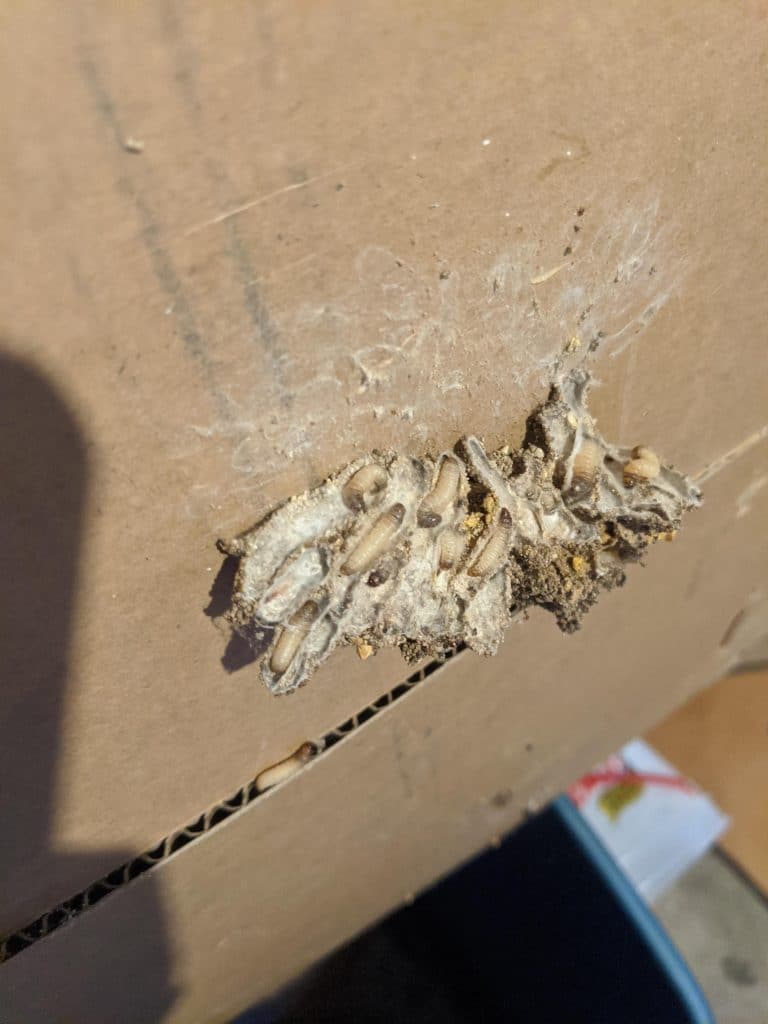
And then there’s the one nobody thinks about: cardboard. Cardboard boxes are humidity sponges. They absorb moisture, weaken, collapse, and become pest magnets. If you’re storing things in cardboard boxes in a Houston garage, you’re basically building a habitat. Which brings me to the next thing.
The Pest Problem Nobody Wants to Talk About
I’m going to be straight with you because somebody has to.
Houston garages attract pests. Roaches, silverfish, mice, spiders, and depending on where you are, rats. This is not a cleanliness issue. This is a Houston issue. We live in a subtropical climate with year-round pest pressure. Your garage has gaps, it has warmth, and if you’re storing things in cardboard, it has food.
Roaches love cardboard. They eat the glue. They lay eggs in the fluting. I have opened boxes in Houston garages and found active roach colonies inside. Not because the homeowner was dirty. Because cardboard in a humid, warm Houston garage is a roach invitation.
Silverfish eat paper, fabric, and adhesives. So your photos, your books, your documents, your stored clothing — all of it is on the menu.
Mice get into garages through gaps you can’t even see. They nest in stored fabric, shred paper for bedding, and contaminate everything around them. I’ve found mouse damage in bins that people thought were sealed. They weren’t sealed enough.
And here’s what gets me: most people don’t discover any of this until they actually go through their garage. Which, for a lot of folks, is once every few years. By then, the damage is done.
What Should and Shouldn’t Be in a Houston Garage
OK. Here’s where I’ll give you some straight talk about what I think belongs in a Houston garage and what doesn’t. This is based on almost 20 years of seeing what survives and what doesn’t in our climate.
Things that can handle a Houston garage: metal tools (if you manage rust — more on that in a second), outdoor equipment like lawn mowers and grills, hard plastic bins with tight-fitting lids, sporting goods made of synthetic materials, and cleaning supplies that aren’t aerosol-based.
Things that should never live in a Houston garage: photos, important documents, electronics, anything paper or fabric, candles, vinyl, leather goods, medications, wine, canned food past a season, and anything with sentimental value that can’t be replaced.
And tools — yes, tools belong in a garage. But Houston’s humidity means metal tools rust if you’re not paying attention. Hand tools left in open bins or on pegboards without any rust prevention will corrode. I’m not saying don’t store them there. I’m saying know what you’re dealing with. A toolbox with some silica packets does more than an open shelf in Houston air.
The container matters too. Cardboard is out. Period. In Houston, if it’s in your garage, it needs to be in a hard plastic bin with a real lid. Not a decorative lid. Not a snap-on lid that doesn’t actually seal. A real, tight-fitting lid that keeps moisture and pests out.
Why This All Matters Right Now
Here’s why I’m writing this in February and not August.
Because we’re about to enter the stretch. Houston’s heat starts building in March and by May your garage is a convection oven. Whatever is in there right now is about to spend the next six months in conditions that actively destroy things.
If you have photos in your garage, they’re about to go through another summer of humidity cycling. If you have electronics out there, they’re about to get cooked again. If you have fabric or leather stored in cardboard boxes, the mildew and the pests are about to have another season with them.
Every year you wait is another year of damage. And most of it is invisible until you finally open the box.
I’m not saying this to scare you. I’m saying this because I’ve been the person standing next to someone when they open a bin of baby photos and realize they’re destroyed. I’ve been there when someone finds a box of their mother’s things covered in mold. I’ve watched people discover that tools they spent hundreds of dollars on are rusted beyond saving.
And every time, they say the same thing: “I didn’t know.”
Now you know.
The Real Question Your Garage Is Asking
This isn’t really about bins and containers and storage tips. Those matter, but they’re surface level.
The real question is: do you actually know what’s in your garage? Not what you think is in there. What’s actually in there. What condition it’s in. Whether it’s surviving or slowly being destroyed.
Because most people don’t. Most people closed those boxes years ago and haven’t looked since. And Houston’s climate has been working on them every single day.
A garage in Denver is different from a garage in Houston. A garage in Chicago is different from a garage in Houston. What works for storage in other climates does not work here. We have specific conditions that require specific awareness. And most of the garage organization advice on the internet completely ignores that.
If you’re in Houston, your garage isn’t just a room with stuff in it. It’s an environment. And that environment is doing things to your belongings whether you’re paying attention or not.
Ready to Find Out What’s Really Going On in Your Garage?
At Just Organized by Taya, we don’t just organize garages. We assess them — what’s in there, what condition it’s in, what should stay, what should go, and what needs to be moved inside before Houston’s summer does more damage.
If you haven’t been through your garage in a while, now — before the heat hits — is the time.
Schedule your consultation here or call 832-271-7608.

Working with Taya and her team is easy. You can book an appointment easily on her website, or contact her directly at 832-271-7608
- How to Organize Shoes, Bags, and Accessories in Your Closet - September 1, 2026
- 7 Organization Tips to Streamline School Mornings - August 25, 2026
- The 30-Minute Fall Reset: A Strategic Habit to Organize Your Busy Season - August 20, 2026